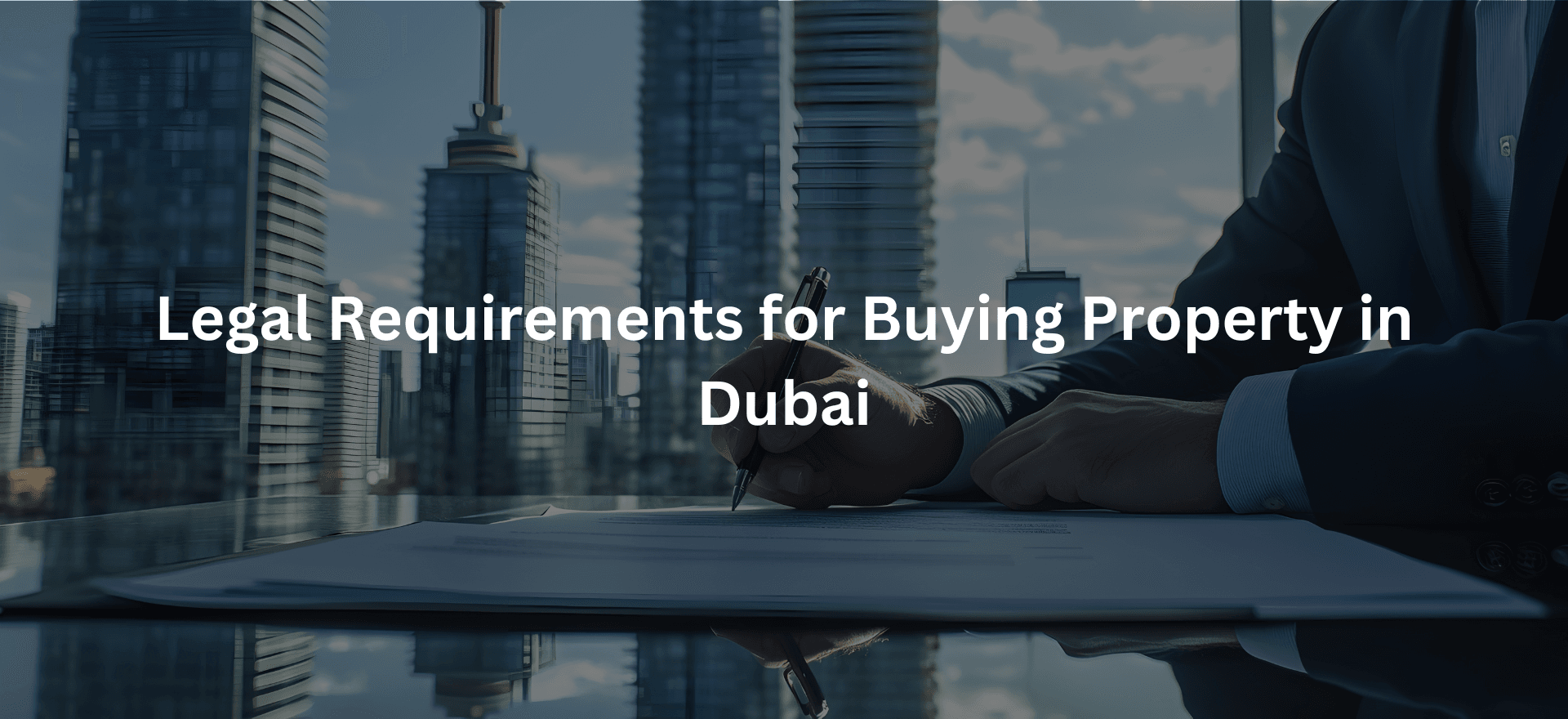
Buying property in Dubai is one of the most secure and rewarding real estate investments in the world. With its transparent legal framework, investor‑friendly regulations, and strong regulatory oversight, Dubai has created a property market that appeals to residents, expatriates, and international investors alike. However, before entering the market, it is essential to understand the legal requirements for buying property in Dubai and follow the correct procedures set by the authorities.
This comprehensive guide explains buying property in Dubai step by step, highlights the roles of the Dubai Land Department (DLD) and the Real Estate Regulatory Agency (RERA), breaks down applicable fees, and provides essential legal tips for buying property in Dubai as an expat.
Understanding Property Ownership Laws in Dubai
One of the most common questions investors ask is: can foreigners buy property in Dubai? The answer is yes. Foreign nationals are legally allowed to own property in designated freehold areas under Dubai Law No. 7 of 2006. These laws are regulated and enforced by the Dubai Land Department (DLD) and the Real Estate Regulatory Agency (RERA), ensuring transparency and protection for buyers.
Foreign buyers can own apartments, villas, townhouses, and certain plots of land in approved freehold communities such as Downtown Dubai, Dubai Marina, Palm Jumeirah, Arabian Ranches, and other master‑planned developments.
Step 1: Selecting the Property and Agreeing on Terms
The legal process begins after identifying a suitable property, either from a developer or a private seller. At this stage, the buyer and seller agree on the purchase price, payment method, and completion timeline. Payments can be made in cash or financed through a mortgage, depending on eligibility.
Although hiring a lawyer is not mandatory, it is strongly recommended, especially for expats, to ensure that the transaction complies fully with Dubai property laws and safeguards the buyer’s rights.
Step 2: Signing the Memorandum of Understanding (Form F)
Once basic terms are agreed upon, both parties sign the Memorandum of Understanding, commonly referred to as Form F. This is the official sale agreement registered with the Dubai Land Department (DLD). It includes all details of the transaction, such as the property description, purchase price, payment schedule, liabilities, and penalties.
The MOU is usually signed at a trustee office under the supervision of a real estate broker licensed by the Real Estate Regulatory Agency (RERA). At this stage, the buyer pays a security deposit, typically 10 percent of the property value, which is held until completion.
Step 3: Obtaining the No Objection Certificate (NOC)
The next legal requirement is securing a No Objection Certificate (NOC) from the developer. The NOC confirms that there are no outstanding service charges, mortgages, or legal disputes related to the property. This certificate allows the ownership transfer to proceed legally.
The cost of the NOC varies depending on the developer and generally ranges from AED 500 to AED 5,000. Without this document, the Dubai Land Department will not process the ownership transfer.
Step 4: Property Transfer at Dubai Land Department
With the NOC in place, the buyer and seller proceed to a DLD‑approved trustee office to complete the ownership transfer. All required documents are reviewed, including the signed MOU, identification documents, and payment instruments.
Once the Dubai property transfer fees are paid and verified, the Dubai Land Department (DLD) issues a new title deed in the buyer’s name. This title deed is the official legal proof of ownership in Dubai.
Dubai Property Transfer Fees and Mandatory Costs
Understanding the full cost structure is vital. The DLD fees buying property amount to 4 percent of the property value, payable at the time of transfer. In addition, property registration fees Dubai apply, which are AED 2,000 for properties below AED 500,000 and AED 4,000 for properties above that amount, excluding VAT.
Buyers typically pay agent commission Dubai real estate, which is usually 2 percent of the purchase price plus VAT. If the property is financed, a mortgage registration fee Dubai of 0.25 percent of the loan amount applies, along with bank processing and valuation charges.
Role of RERA and Trustee Offices
The Real Estate Regulatory Agency (RERA) plays a critical role in protecting buyers by regulating brokers, developers, escrow accounts, and advertising practices. All licensed agents and developers must be registered with RERA, ensuring ethical and professional conduct.
Trustee offices act as authorized intermediaries between buyers, sellers, and the Dubai Land Department (DLD). They verify documentation, collect fees, and ensure legal compliance during the ownership transfer process.
Legal Tips for Buying Property in Dubai as an Expat
Expats should always verify that the property is located in a designated freehold area and that the developer is registered with RERA. Checking the title deed ensures the property is free from legal claims or outstanding liabilities. Reviewing the Sales and Purchase Agreement carefully is essential, particularly for off‑plan projects.
For long‑term asset protection, expats are strongly advised to register a UAE will to ensure that property inheritance follows their personal wishes rather than default legal provisions.
Timeline for Buying Property in Dubai
The legal process for ready properties typically takes between four and eight weeks, depending on documentation and financing requirements. Off‑plan purchases follow project‑specific timelines set by the developer and regulated by RERA escrow laws.
Conclusion
Understanding the legal requirements for buying property in Dubai transforms what may seem like a complex process into a confident and secure investment journey. With strict oversight from the Dubai Land Department (DLD) and Real Estate Regulatory Agency (RERA), Dubai offers a highly transparent and well‑regulated real estate market.
Whether you are a foreign investor, an expat buyer, or a first‑time purchaser, following this buying property in Dubai step by step guide ensures legal security, clarity, and peace of mind. With the right preparation and professional support, owning property in Dubai is not only achievable but also highly rewarding.